How does a home solar system work?
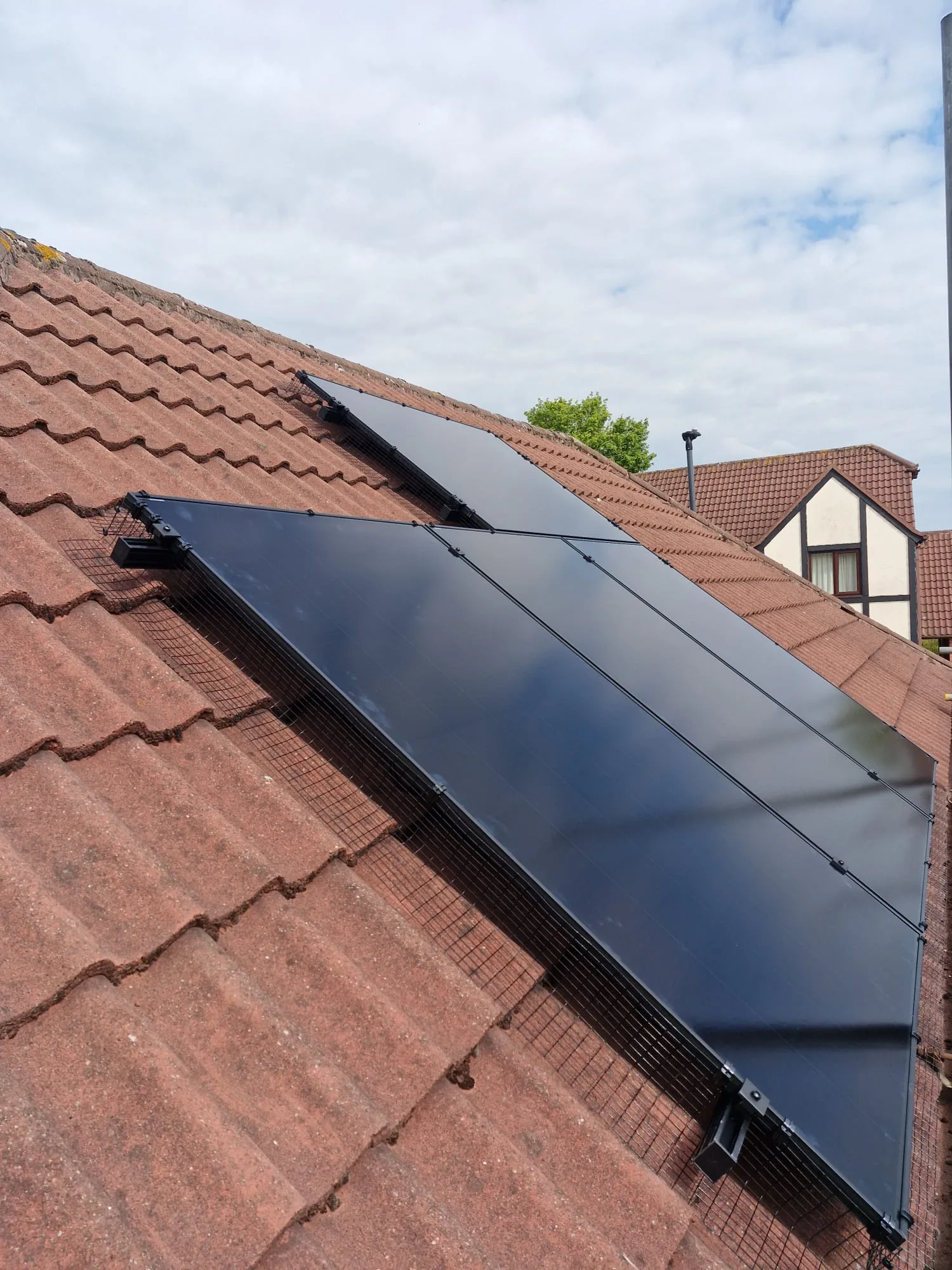
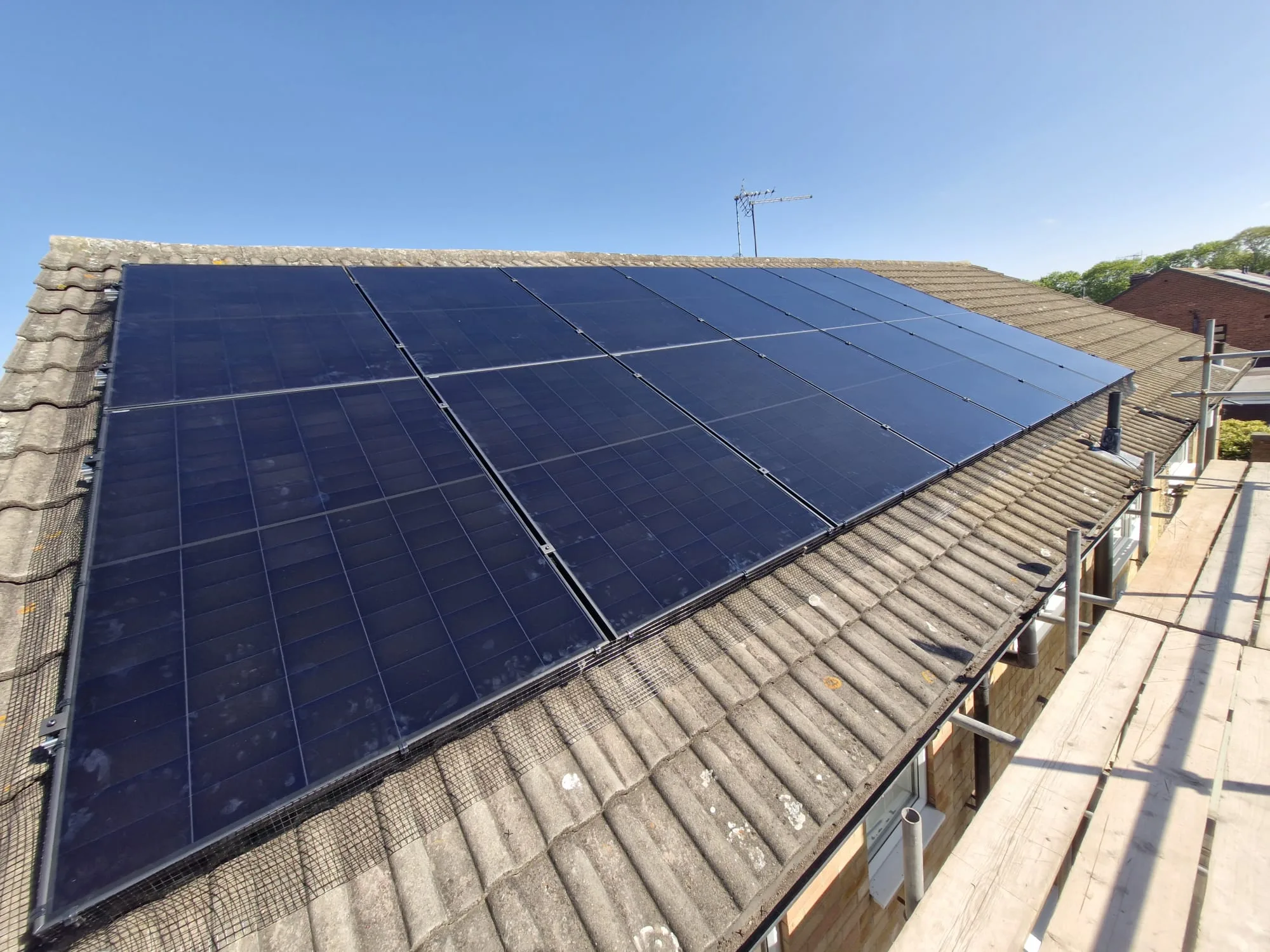
Solar panels on your roof turn daylight into electricity. An inverter converts it to the mains power your home uses. Anything you do not use straight away charges your battery, and anything left over is exported to the grid, where you can be paid for it through the Smart Export Guarantee. In the evening, your home runs from the battery before it draws from the grid.
Everything included in your installation
One fixed quote, one team, no surprise extras.
- High-efficiency solar panels sized to your roof
- Hybrid or string inverter with isolators
- Battery storage sized to your evening usage
- Scaffolding, mounting and bird protection where needed
- Monitoring app set up on your phone
- DNO notification, MCS certificate and Part P certification
Battery storage: use your own power after dark
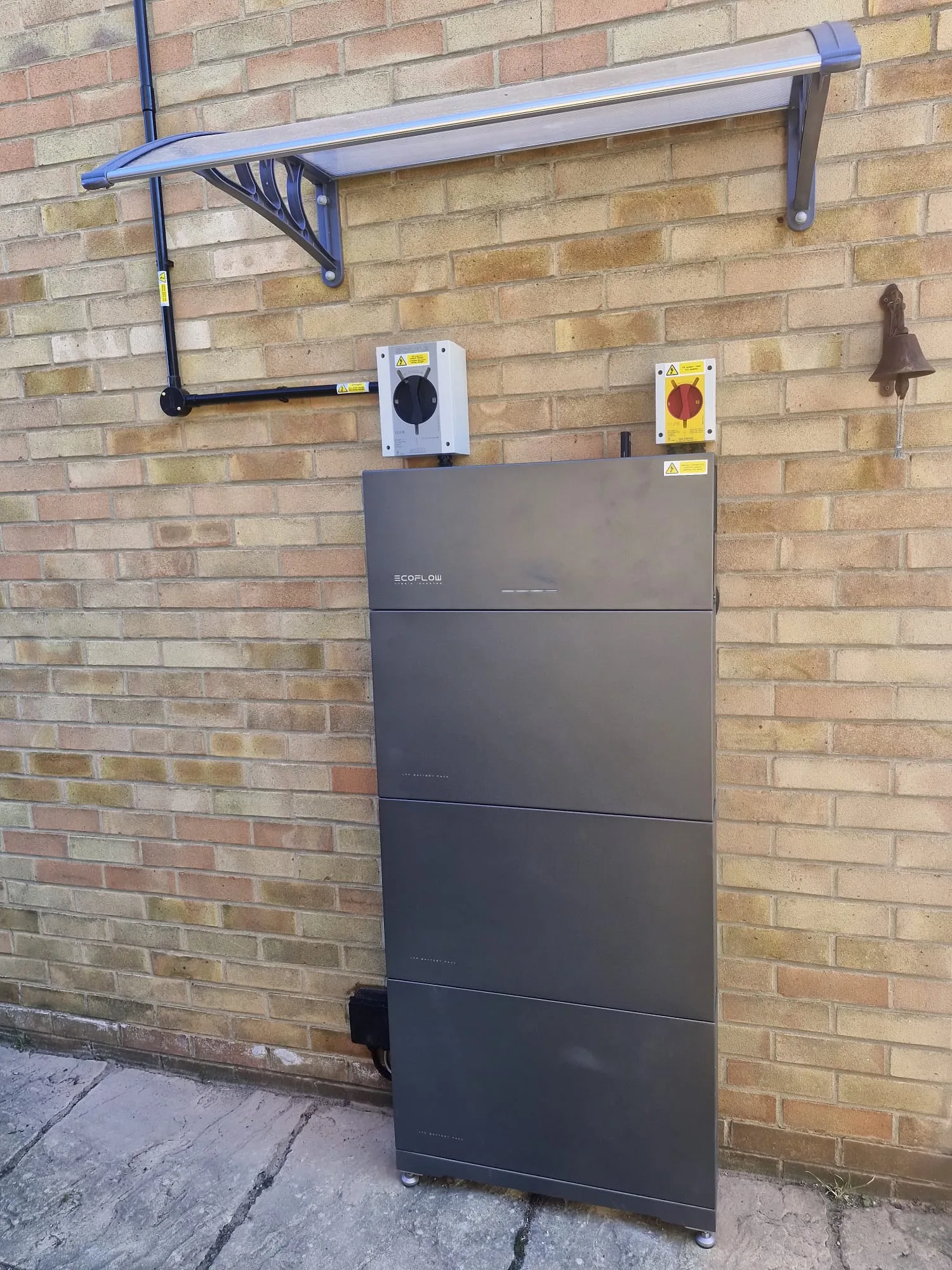
Most homes generate the most solar power when nobody is in. A battery stores that daytime energy so you can use it in the evening. Batteries can also charge from cheap overnight tariffs in winter, when solar output is lower.
- Retrofit to existing solar panels
- Charge from off-peak tariffs
- Backup power on selected systems
- Expandable as your needs grow
Designed around your roof, your usage and your goals
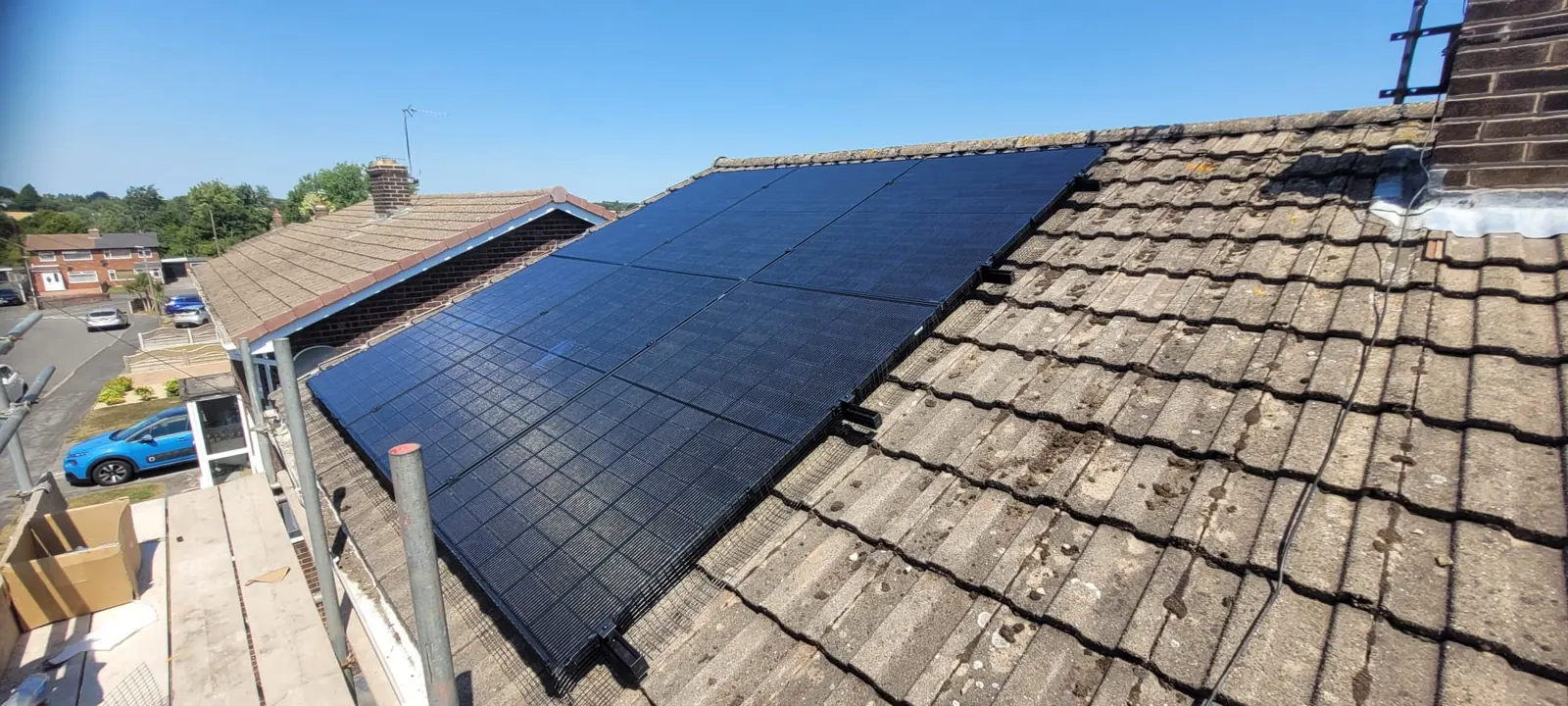
No two roofs are the same. We look at orientation, pitch, shading and space, then at your bills and plans, such as an electric car or heat pump.
“They went above and beyond to provide us with a great job bespoke to the property, maximising the potential of the roof for solar panels.”Narcisso BaldoSolar and battery customer
- Bespoke design
- 20 kW battery storage
- All paperwork handled
How your installation works
Survey
We visit, check your roof, consumer unit and supply, and talk through how you use energy.
Design and quote
A system sized to your property with a clear, fixed written quote. No pressure, no expiring offers.
Install
Our own team installs to MCS standards and BS 7671. Most homes take one to two days on site.
Commission and hand over
We test, set up your monitoring app, register the system and give you a full paperwork pack.
Home solar questions, answered
Straight answers to the things people ask us most. Anything else, just call.
Get a free quoteHow long does it take to install solar panels on a house?
Most domestic solar and battery systems take one to two days on site, once scaffolding is up. We confirm the timeline at survey.
Do solar panels work in winter or on cloudy days?
Yes. Panels generate from daylight, not heat, so they still produce power on cloudy days, just less than in summer. A battery helps you make the most of shorter days.
What size solar system do I need?
It depends on your annual electricity use and your usable roof space. A typical three-bedroom home in the UK suits a system of around 3.5 to 5 kW, but we size every system to your own bills.
How long do solar panels last?
Quality panels are usually warrantied for 25 years or more and keep generating well beyond that. Inverters and batteries carry their own manufacturer warranties.
Can I get paid for the electricity I export?
Yes. With an MCS-certified installation you can sign up to a Smart Export Guarantee (SEG) tariff with an energy supplier.
Do I need planning permission?
Most home rooftop systems are permitted development in England. We check listed buildings, flats and conservation areas at survey.
Find out what solar could do for your home
Free survey, written quote, no pressure. You will speak directly to the electrician who designs your system.